


 Robert Dougherty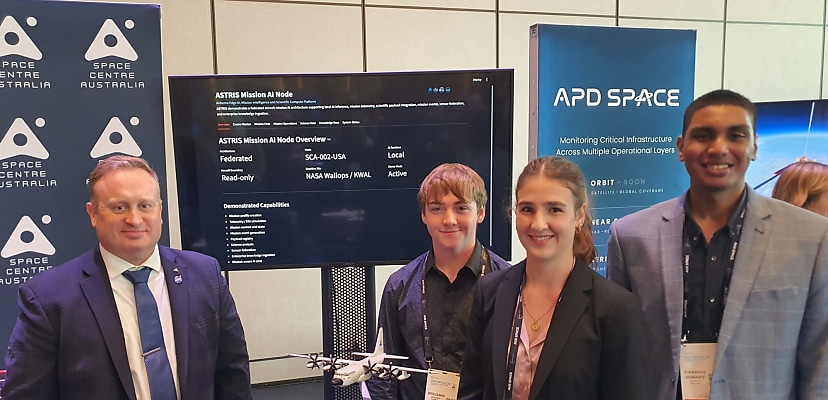
The AI-enabled insight generation platform is expected to provide pattern recognition, predictive modelling, anomaly detection, digital twin generation, mission optimisation and automated data correlation to transform raw data into actionable intelligence.
Operating out of C-130J Super Hercules four-engine turboprop military transport aircraft, the air-gapped system is designed to convert complex data into clear, actionable insights without delays.
“The ASCENT Insight delivers advanced artificial intelligence and analytics that transforms airborne data and environmental intelligence into decision-ready insights for mission success, risk reduction and commercial advantage,” the company said.
ASTRIS is part of the company’s ASCENT (Airborne Science and Cosmology Enabling Telescope) global airborne science capability formally introduced at NASA Wallops Flight Facility, where it will be based.
ASCENT is designed as a next-generation, commercially operated platform that can support a wide range of users, including NASA, government agencies, universities and private industry. The system is intended to accelerate scientific discovery, reduce risk in emerging technologies, and enable more frequent mission deployments across fields such as astrophysics, Earth science, and atmospheric research.
At the heart of the program is a fleet of C-130J Super Hercules aircraft, modified to carry interchangeable telescopes and sensor payloads. This modular approach allows missions to be rapidly configured and deployed anywhere in the world.
Rather than relying on a single dedicated observatory, ASCENT has been developed as a shared airborne infrastructure platform. Multiple missions and payloads can operate through the same system, offering greater flexibility and efficiency.
According to the company, the model is expected to reduce the time from concept to scientific results while also supporting collaboration across different research domains and strengthening the commercial space sector.

The program also aims to fill a gap left by the retirement of older airborne observatories and suborbital systems, offering a lower-cost, higher-tempo alternative for both science missions and technology testing.
ASCENT will operate under what Space Centre Australia described as a “commercial science-as-a-service” model. Rather than simply providing aircraft, the platform delivers an integrated mission capability.
 Want to see more stories from trusted news sources?
Make Cyber Daily a preferred news source on Google.