


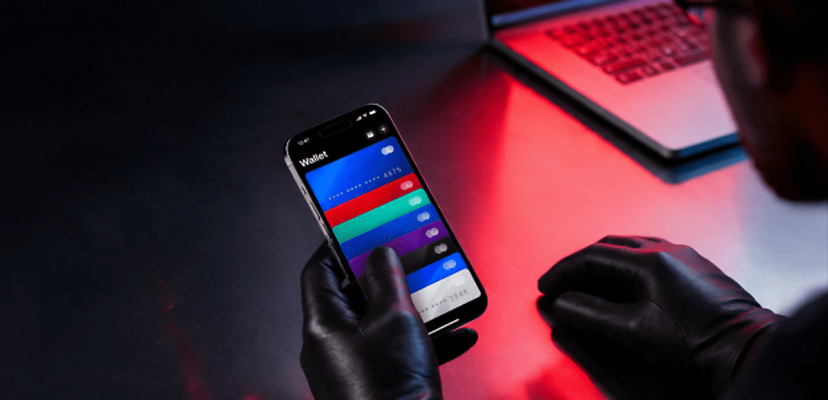
Cybercriminals are increasingly targeting digital wallets to turn stolen payment card details into usable money, with discussions about loading compromised cards into Apple Pay and Google Pay nearly tripling over the past year.
New research from NordVPN found criminals are moving beyond simply trading stolen card numbers, with sellers increasingly advertising so-called “wallet-ready” cards that are more likely to pass digital wallet verification.
“The underground market is becoming less about simply having someone’s card details and more about whether those details can actually be turned into money,” Marijus Briedis, Chief Technology Officer at NordVPN, said in a statement.
“Criminals are increasingly looking for the weakest point around the card – whether that is verification, account access, or the identity attached to it.”
Adding a payment card to a digital wallet typically requires banks to verify the cardholder through an SMS code, banking app confirmation or another authentication method.
Criminals are increasingly attempting to bypass these safeguards through phishing, SIM swapping, stolen verification codes, and social engineering. Once a card is added to an unauthorised device, it can be used for contactless purchases and other goods that can be resold.
The research also identified a shift away from older fraud techniques, including magnetic-stripe cloning, towards stolen cards that can bypass modern banking controls.
Australian card details are also fetching higher prices on underground marketplaces. NordVPN found stolen Australian cards sold for an average of US$14.52 (about $22 locally), around 45 per cent more than US cards, which averaged US$10–12 (approximately $15).

The value increases further when payment details are bundled with personal information. In the largest marketplace analysed, cards sold with government identity details and dates of birth commanded a median price of US$18.85 (approximately $28), compared with US$11.70 (approximately $18) for cards without those details.
Bundles containing three or more additional identity details, such as names, email addresses, phone numbers, or residential addresses, attracted median prices in excess of US$23 (about $35).
“This is where card fraud increasingly overlaps with identity fraud. A payment card can be cancelled quickly, but personal data such as date of birth, address, or Social Security number can continue circulating long after the card itself stops working,” Briedis said.
Card validity is another major factor in underground pricing. Sellers advertise active cards for around US$22, while older batches – which are more likely to have been cancelled – can sell for approximately US$2 in bulk. Around 80 per cent of sellers analysed offered some form of refund or replacement guarantee.
However, cancelled cards can retain value when accompanied by personal information, with so-called “dead fullz” – unusable payment details bundled with intact identity data – selling for around US$1 per record.
How to protect your card
NordVPN recommends Australians enable transaction notifications, avoid sharing verification codes with anyone who contacts them unexpectedly, and treat unfamiliar digital wallet enrolment alerts as potential fraud.
Customers who suspect their cards have been added to an unauthorised wallet should contact their bank immediately and ask about deactivating associated digital wallet tokens.
The research used NordLayer Intelligence threat exposure management data, analysing more than 24,000 card listings across nine dark web marketplaces. Marketplace data was collected in February 2026, with duplicate listings and reposted advertisements removed.
 Want to see more stories from trusted news sources?
Make Cyber Daily a preferred news source on Google.
