



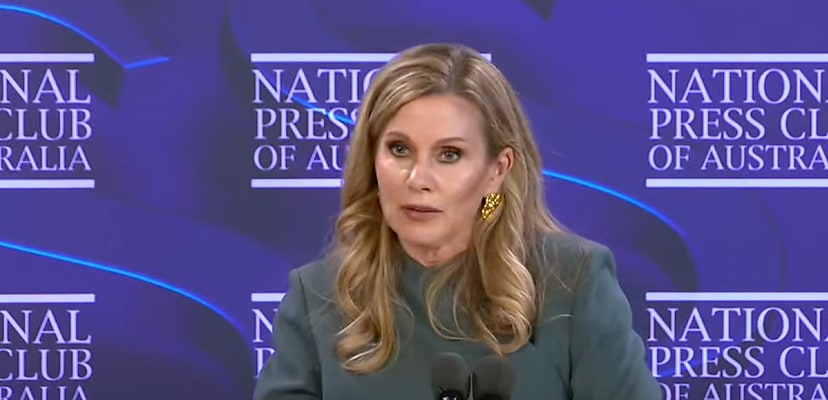
In a post on LinkedIn, eSafety commissioner Julie Inman Grant announced that the commission wanted to hear directly from Australians regarding their experiences with the ban.
“We at the eSafety Commissioner are gathering info about the rollout of the social media minimum age laws and want to hear directly from Australians about their experiences,” she wrote.
“While the early data is encouraging, we want to ensure compliance, safety and improve industry performance. This will continue to happen over time now that almost 5 million deactivations took place in December.
“What ultimately matters is that we set new norms, reduce exposure to harm for young people and build new online safety expectations around social media age limits and usage. This will happen gradually over weeks, months and even years.”
The eSafety commissioner has posted a form asking Australians to provide feedback on the social media ban and also asked adults who know of an under-16 using a social media account to report them to the social media platform they are using so the account can be disabled.
“This will help provide additional insights into our other methods for ensuring constant improvement in age assurance implementation and ultimately, compliance,” Inman Grant added.
“In turn, we will share our insights where possible, whilst maintaining the integrity of each regulatory investigation.
“While effective age assurance may take time to bed down, we are still at the very beginning of this journey and will continue to be alive to Australians’ experiences.

“We remain vigilant around ensuring longer-term industry improvements to these interventions – which are a clear and key element of industry compliance set out in our regulatory guidance around the social media minimum age restrictions.”
In light of the danger that social media has the potential to create, as pointed out by the recent amount of AI-generated child sexual abuse material on Grok, Inman Grant also posted about global online safety and Australia’s collaboration with countries abroad in ensuring safety for children worldwide.
“Online content doesn’t need a passport to move across borders but age assurance has certainly become the global direction of regulatory travel.
“That’s why the role of the Global Online Safety Regulators Network (GOSRN) is so important. We encourage international cooperation, with the aim of making the approach to online safety between countries as aligned as possible.”
Inman Grant shared the collective statement from the GOSRN, which outlines fundamental principles that nations should take into account when designing and implementing age assurance systems.
“A consistent approach across the globe will ensure that we can introduce children to safer online spaces when they are ready and have become digitally and algorithmically informed through conscience eSafety education and literacy,” she added.
eSafety also took as an opportunity to show that Australia is leading by example in the age assurance space with the social media ban.
“Here in Australia, we’re taking world-leading action, with new minimum age requirements for social media, and industry codes that require online services to implement age assurance to protect young people.”
 Want to see more stories from trusted news sources?
Make Cyber Daily a preferred news source on Google.
