



The times, they are a-changing, and how Google presents search results is changing along with those times – but not everyone is happy with the results delivered by the company’s AI-powered search engine updates.
Google recently unveiled an overhaul of its search functionality, shaped around what it calls an “intelligent search box”, alongside a raft of other new AI features, from the ability to build personalised “mini-apps” to interactive AI search experiences.
Gone are the days of simply googling a set of keywords and relying upon the engine to deliver a list of ranked and relevant results. Now, Google wants to answer your search queries without its users ever needing to visit another site.
Sure, not without some teething issues. The company was forced to act when it was found that simply searching for the word “disregard” caused its search engine to break, leaving users unable to look up the word.
However, despite how bullish Google is on its AI search results, many users are looking to simpler times and more accurate results, leading to a surge in netizens turning to the alternate search engine, DuckDuckGo.
According to figures recently released by that company, application installs of DuckDuckGo rose by 18.1 per cent week on week during the period between 20 and 25 May, with growth particularly strong on iOS devices.
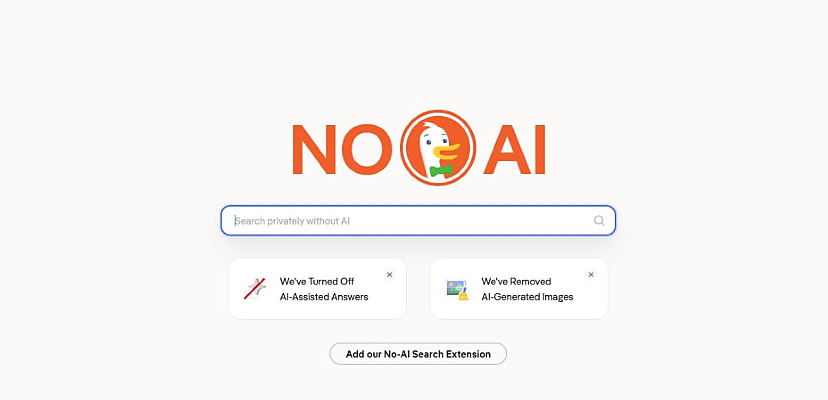
The company’s AI-free offering, noai.duckduckgo.com, also saw dramatic growth, with 22.7 per cent more users turning to that option compared to the week prior.
“Google is force-feeding AI with no way to opt out,” Gabriel Weinberg, DuckDuckGo’s CEO, said in a widely reported statement.

“As a result, their results are getting worse, not better. We want to be the place that puts users in charge and allows them to decide how much or how little AI they want.”
‘The reports of my death are greatly exaggerated’
Of course, despite the departure of some users, Google remains a titan of search and AI.
“It’s clear that Google, the company itself, is very much alive – its Gemini AI tool is widely used, and the Google website remains one of the key starting points for seeking information,” Mark Sanderson, professor of information retrieval at Melbourne’s RMIT University, said of the company’s search demise.
“Is search dead? No, but it now plays a partnership role with AI. Often, when using an AI tool, behind the scenes, it will transform your question into multiple web searches to find relevant documents that form the basis of the answer, which is returned to you in an AI overview.”
According to Sanderson, however, what is dying is the assumption that users know how to employ the correct keywords to find the information they’re looking for.
“The idea of using keywords for searching was first proposed in 1952 to avoid the challenges of negotiating library catalogues,” Sanderson said.
“This simple idea proved to be highly effective, but after 70 years of being the dominant way to find information, the humble keyword is being replaced.”
 Want to see more stories from trusted news sources?
Make Cyber Daily a preferred news source on Google.
