


 Carlos Tse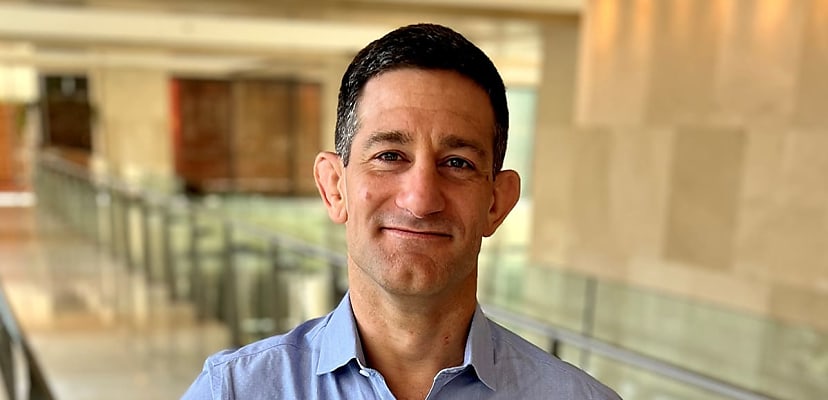
The importance of taking advantage of the “low-hanging fruit” efficiencies of AI and finding workers with the right mindsets for AI training is what Jonathan Tabah (pictured), director at Gartner, stressed to HR Leader on a recent episode of The HR Leader Podcast.
In the wake of Atlassian’s confirmation of a 1,600 headcount reduction, HR leaders have been shown to play a critical role in how AI impacts the workforce.
Tabah recommended the importance of identifying employers with the right mindset, who are adaptable and willing to learn how to use AI for new ways of working.
“The mindset is the most important trait to look out for when assessing talent’s ability to operate with AI,” he said.
Gartner senior director and analyst Eser Rizaoglu argued for presenting AI as a workforce issue to the C-suite to demonstrate the function’s capabilities in identifying risks and ensuring the tools enhance productivity, engagement, and retention.
“Often AI deployment decisions are being made without any involvement of HR,” Rizaoglu said.
This exclusion can lead to poor adoption, misaligned expectations, and ultimately, a failure to realise significant business value from AI, Rizaoglu added.
Tabah emphasised that chief human resources officers (CHROs) must have a leading seat at the table and collaborate with other C-suite leaders to get a better understanding of the business. However, Tabah warned of the dangers of viewing the workforce as a machine in which parts can be replaced and automated without thinking about the impacts on role pipelines.

“If we don’t consider the workforce who has to use AI, work with AI, and achieve those outcomes, then we won’t have the impact we’re hoping to have,” Tabah said.
He argued that by reducing entry-level hiring and using AI to complete operational tasks, there lies a risk of failing to equip staff with the necessary skills to use AI effectively. Tabah said that technicality on its own should not be the sole criterion for hiring in the AI era.
“I would much rather place my bets on individuals who show the willingness, receptivity, and interest to evolve their ways of working,” Tabah said.
This article was originally published on Cyber Daily’s sister brand, HR Leader.
 Want to see more stories from trusted news sources?
Make Cyber Daily a preferred news source on Google.